
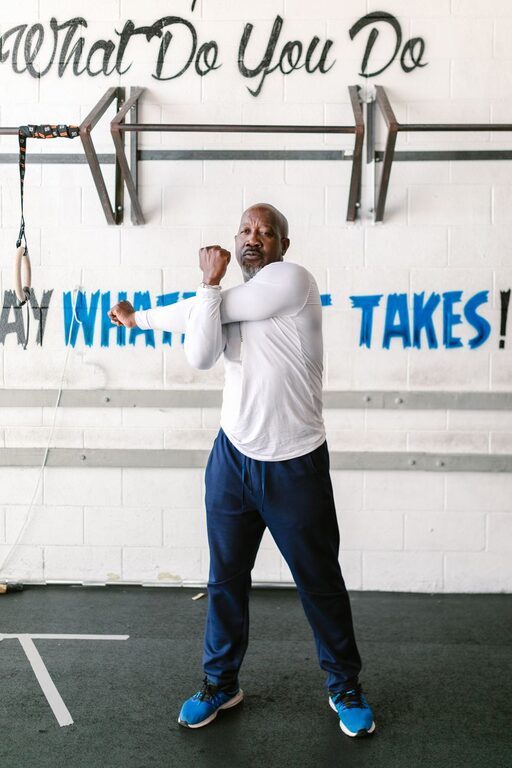
Staying strong can make everyday movement feel easier and more comfortable. For adults over 50, simple strength exercises can support tasks such as rising from a chair, carrying groceries, climbing stairs, and reaching for items on a shelf.
You do not need a gym or complicated equipment to get started. Many useful exercises can be done with a sturdy chair, a wall, or a light pair of weights. The goal is to practice steady, controlled movements and build a routine that fits your life.
Before beginning, choose a clear area and wear comfortable clothing and supportive shoes. Move at a pace that feels manageable. If you have an injury, ongoing health concern, or questions about which exercises are appropriate for you, consider speaking with a qualified health professional.
Why Strength Matters for Everyday Mobility
Strength is more than the ability to lift heavy objects. It helps you control your body during common movements and maintain confidence as you go about your day.
Regular strength work may help support:
– Getting up and down from chairs
– Walking on different surfaces
– Carrying bags and household items
– Reaching, bending, and turning
– Using stairs
– Maintaining steady posture
– Completing household and recreational activities
A balanced routine includes exercises for the legs, hips, back, chest, shoulders, and core. It should also include movements that challenge balance in a safe and controlled way.
Simple Guidelines for Getting Started
Start with one set of each exercise and about 8 to 12 repetitions, unless noted otherwise. Rest as needed between exercises. Over time, you may add a second set or increase the resistance slightly.
Keep these points in mind:
– Move slowly rather than rushing.
– Breathe naturally throughout each exercise.
– Keep the effort challenging but controlled.
– Stop if you feel sharp pain, unusual dizziness, or feel unwell.
– Use a sturdy chair or countertop for support when needed.
– Focus on good form instead of completing more repetitions.
Try strength exercises two or three times per week, with rest between sessions. A short routine performed regularly is often more useful than an occasional long workout.
1. Sit to Stand
The sit-to-stand exercise targets the legs and hips while practicing a movement used throughout the day.
How to do it
- Sit near the front of a sturdy chair with your feet about hip-width apart.
- Place your feet firmly on the floor.
- Lean forward slightly while keeping your back comfortable and straight.
- Press through your feet to stand up.
- Pause briefly, then slowly lower yourself back into the chair.
Keep your knees generally aligned with your feet. If the movement is difficult, use your hands on the chair or a nearby surface for light support. As it becomes easier, try crossing your arms over your chest.
2. Wall Push-Up
Wall push-ups strengthen the chest, shoulders, and arms without requiring you to get down on the floor.
How to do it
- Stand facing a wall, about an arm’s length away.
- Place your palms on the wall at about chest height.
- Bend your elbows and lean toward the wall as one controlled unit.
- Press through your hands to return to the starting position.
Keep your body in a straight line from your head to your heels. To make the exercise more challenging, step slightly farther from the wall. To make it easier, stand closer.
3. Supported Heel Raise
Heel raises work the lower legs and can help you practice controlled movement while standing.
How to do it
- Stand behind a sturdy chair or near a countertop.
- Place your hands lightly on the support.
- Slowly lift your heels so you rise onto the balls of your feet.
- Pause for a moment.
- Lower your heels with control.
Keep your weight evenly distributed between both feet. Avoid bouncing. You can begin with both legs and later try lifting one heel at a time if that feels steady and comfortable.
4. Step-Up
Step-ups practice the leg strength needed for stairs and curbs. Use a low, stable step and hold a railing or sturdy support if necessary.
How to do it
- Stand facing the step with your feet comfortably apart.
- Place one foot fully on the step.
- Press through that foot to bring the other foot up.
- Step down carefully, returning to the starting position.
- Repeat, then switch sides.
Move slowly and make sure the step does not wobble. If you do not have a suitable step, practice controlled marching in place instead.
5. Standing Hip Extension
This exercise strengthens the muscles around the hips and encourages controlled leg movement.
How to do it
- Stand behind a chair and hold the back lightly.
- Keep your upper body upright.
- Move one leg straight behind you without leaning forward.
- Pause briefly, then return your foot to the starting position.
- Repeat on the other side.
The movement should be small and controlled. Keep your toes pointing forward and avoid swinging the leg.
6. Resistance Band Row
A resistance band row works the upper back and supports stronger pulling movements, such as opening a door or pulling an object closer.
How to do it
- Secure a resistance band at about chest height, using equipment designed for that purpose.
- Hold one end in each hand and stand with your arms extended.
- Pull your elbows back toward your sides.
- Gently draw your shoulder blades together.
- Slowly extend your arms again.
Keep your shoulders relaxed and avoid shrugging. If you do not have a resistance band, practice the same pulling motion without equipment to become familiar with the movement.
7. Standing March
Standing marches combine leg movement, posture, and balance practice.
How to do it
- Stand near a countertop or sturdy chair.
- Hold the support lightly if needed.
- Lift one knee a comfortable distance.
- Lower the foot and lift the opposite knee.
- Continue alternating sides at a steady pace.
Keep your torso upright and avoid leaning from side to side. Begin with slow steps. As your control improves, you may march for a little longer or lift your knees slightly higher.
Creating a Practical Weekly Routine
A simple routine might take 15 to 25 minutes. Begin with a few minutes of easy walking or gentle movement to warm up. Then choose four to six exercises from the list.
For example:
– Sit to stand: 8 to 12 repetitions
– Wall push-up: 8 to 12 repetitions
– Supported heel raise: 10 to 15 repetitions
– Standing hip extension: 8 to 12 repetitions per side
– Resistance band row: 8 to 12 repetitions
– Standing march: 30 to 60 seconds
Finish with relaxed movement and a few comfortable stretches. You can also divide the exercises across the week instead of doing them all in one session.
Progressing Safely
When the routine starts to feel easier, make only one change at a time. You might add a few repetitions, complete an additional set, use a slightly stronger band, or reduce your reliance on support.
Progress should feel gradual. The purpose is to improve control and consistency, not to compete with anyone else. Keep a simple record of your exercises so you can notice changes in strength, balance, and confidence over time.
With regular practice, these basic movements can become a useful part of an active lifestyle. They support the strength needed for everyday tasks while keeping exercise simple, adaptable, and easy to perform at home.