
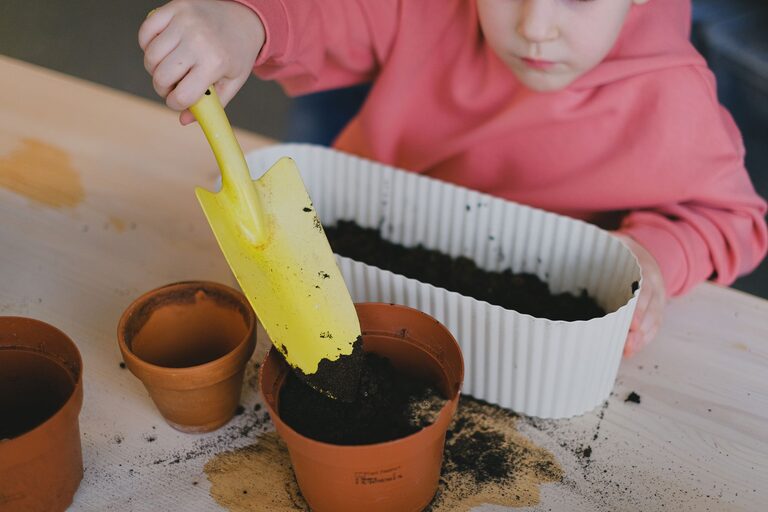
Gardening is a relaxing way to spend time outdoors, but it can also add more movement to your everyday routine. You do not need a large yard, special equipment, or a full day of free time. Small projects such as carrying soil, planting containers, clearing paths, and watering plants naturally encourage walking, bending, lifting, and reaching.
The key is to choose manageable tasks that fit your space and schedule. These easy gardening projects can make your outdoor area more useful while helping you move more throughout the day.
1. Create a Small Herb Garden
An herb garden is one of the simplest projects for beginners. It can fit on a patio, balcony, windowsill, or small section of a yard. Since herbs often need regular attention, they also give you a reason to step outside and move around frequently.
How to get started
Choose a sunny location and gather a few containers with drainage holes. Fill them with potting soil, then add easy herbs such as:
– Basil
– Mint
– Chives
– Parsley
– Thyme
– Rosemary
Place the containers a short distance apart so you need to walk between them while watering and checking the leaves. Arrange some pots on the ground and others on a sturdy raised surface to add variety to your reaching and bending.
A small herb garden can be completed in an afternoon. Afterward, daily tasks such as trimming, watering, and harvesting may only take a few minutes.
2. Build a Container Garden
Container gardening is a flexible project that works well for flowers, vegetables, and ornamental plants. Moving empty containers, adding soil, and arranging plants all create opportunities for light activity.
Start with a few containers in different sizes. Large pots can hold tomatoes, peppers, or flowers, while smaller containers work well for lettuce, marigolds, or trailing plants.
Add movement to the project
Instead of placing every container in one group, create several small planting areas around your outdoor space. For example:
– Place flowers near the front door
– Add vegetables beside a sunny wall
– Keep herbs near the kitchen
– Put a few pots along a walkway
– Arrange shade plants under a covered area
This layout encourages short walks throughout the day. You can check each group during your morning routine or while taking an outdoor break.
Use lightweight containers if you plan to rearrange them often. For heavier pots, choose a permanent location before filling them with soil.
3. Plant a Walking Path
A garden path can make your yard easier to explore while adding structure and visual interest. It does not need to be elaborate. A simple path made from stepping stones, mulch, or gravel can connect different parts of your garden.
Simple path ideas
– Use flat stones to connect a patio and flower bed
– Create a mulch path around raised beds
– Add a short gravel trail through a small lawn
– Place stepping stones between container groups
– Make a loop around a central planting area
Before placing materials, mark the path with garden string or a hose. Walk along the outline to make sure it feels comfortable and practical. Keep the route clear of sharp edges and choose stable materials that will not shift easily.
Once finished, use the path while watering, inspecting plants, or collecting garden tools. A loop-style path is especially useful because it encourages you to keep moving instead of walking back and forth along the same short route.
4. Start a Small Raised Bed
A raised bed can organize your growing space and make planting easier to manage. You can build one from untreated garden lumber, purchase a ready-made kit, or use a simple elevated planter.
Choose a size that allows you to reach the center from either side. A narrow bed is often easier to maintain than a very wide one. Fill it with soil and plant a mix of vegetables, flowers, or herbs.
Break the work into stages
To make the project more active and enjoyable, divide it into several short tasks:
- Measure and mark the location.
- Clear grass, leaves, or weeds.
- Assemble or place the bed.
- Carry soil in smaller containers.
- Spread the soil evenly.
- Plant seeds or seedlings.
- Add labels and a watering routine.
Working in stages gives you several reasons to return to the garden. It also keeps one large project from becoming tiring or overwhelming.
5. Make a Garden Cleanup Station
A cleanup station helps you organize tools and encourages regular outdoor maintenance. Set up a small area with a bucket, hand tools, gloves, plant ties, and a brush for cleaning pots.
You can use a bench, outdoor shelf, or weather-resistant storage box. Place it near the garden but not directly in a walkway.
Use the station for small tasks such as:
– Removing dead leaves
– Cleaning containers
– Sorting plant labels
– Sweeping soil from paths
– Preparing seeds
– Washing small tools
These short jobs involve standing, walking, reaching, and carrying light items. They are also useful tasks to complete when you only have ten or fifteen minutes.
6. Grow a Vertical Garden
Vertical gardens make use of walls, fences, railings, and trellises. They are a practical choice for small spaces and can add movement through regular watering, pruning, and training.
Try growing climbing flowers, peas, beans, or compact vines. You can also hang small planters from a secure structure or use a freestanding plant tower.
When arranging a vertical garden, place some plants at waist level and others slightly higher or lower. This creates a range of natural reaching positions as you tend to the plants.
Always check that shelves, hooks, and supports are strong enough for the containers when they are filled with wet soil. Keep heavier items lower and secure tall structures against strong wind.
7. Add a Seasonal Planting Project
A seasonal project gives you a reason to return to the garden throughout the year. Choose plants that match your local growing conditions, then plan a few changes for spring, summer, and fall.
For example, you might plant:
– Cool-season greens in spring
– Flowers and herbs in summer
– Fall vegetables such as kale or carrots
– Bulbs for the following spring
Seasonal gardening involves clearing old plants, preparing soil, carrying supplies, planting, and checking growth. These tasks can be spread across several weekends rather than completed all at once.
Keep a simple garden notebook with planting dates, project ideas, and notes about what worked well. This adds a planning element and helps you stay involved between planting seasons.
Make Gardening Comfortable and Consistent
You do not need to work quickly to benefit from more movement in your day. Focus on steady, comfortable activity and take breaks when needed. Keep water nearby, use tools that fit your hands, and choose projects that match your available space and experience.
A few habits can make gardening easier:
– Store tools close to the garden
– Use a small bucket instead of carrying heavy loads
– Set a timer for short outdoor sessions
– Alternate tasks instead of repeating one motion
– Keep paths clear and well maintained
– Invite a friend or family member to help
Gardening becomes more active when it is part of your regular routine. A short watering walk, a container refresh, or a few minutes of weeding can add up over time.
The best project is one you will enjoy returning to. Start with a small herb garden, a few containers, or a simple path, then build from there as your interest grows.