
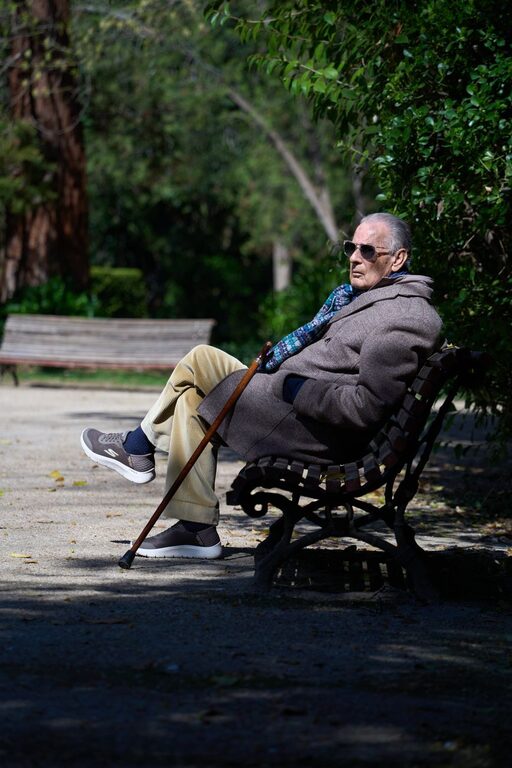
Walking is a simple way to stay active, explore your neighborhood, and enjoy time outdoors. The right shoes can make each step feel easier and help you stay comfortable during short errands, daily walks, or longer outings.
For active adults over 50, comfort should be the starting point when choosing walking shoes. Features such as fit, cushioning, flexibility, and traction all affect how a shoe feels throughout the day. Here is a practical guide to finding a pair that suits your routine.
Start With Your Walking Habits
Before comparing brands or styles, consider where and how you usually walk. A shoe that works well for paved sidewalks may not be the best choice for parks, trails, or travel.
Think about these questions:
– Do you walk mostly on sidewalks, indoor surfaces, or natural trails?
– Are your walks usually short, or do they last an hour or more?
– Will you wear the shoes for errands and travel as well as exercise?
– Do you walk in warm, rainy, or cold weather?
– Do you prefer a lightweight shoe or a more structured design?
Road walking shoes are often light and flexible, making them suitable for sidewalks, tracks, and indoor use. Trail walking shoes generally have deeper tread and more protection for uneven ground. If you need one pair for many activities, look for a versatile walking shoe with moderate cushioning and dependable traction.
Get the Fit Right
A comfortable shoe should feel secure without squeezing your feet. Fit is often more important than extra features, because even a well-designed shoe can be uncomfortable if it is too narrow, too short, or too loose.
When trying on walking shoes:
– Shop later in the day, when feet may be slightly larger than in the morning.
– Wear the socks you normally use for walking.
– Try on both shoes, since one foot may be a little larger than the other.
– Leave about a thumb’s width between your longest toe and the front of the shoe.
– Make sure your heel stays in place without rubbing.
– Walk around the store for several minutes.
Your toes should be able to move freely. They should not press against the front or sides of the shoe. At the same time, your foot should not slide forward or sideways as you walk.
Avoid relying only on the size printed inside the shoe. Sizes can vary between brands and styles, so how the shoe feels matters more than the number.
Look for a Comfortable Toe Box
The toe box is the front section of the shoe. A comfortable toe box gives your toes enough room to spread naturally without allowing excessive movement.
Some walking shoes have a rounded or wider front, while others have a narrow, tapered shape. If your toes feel crowded, look for a style with more space rather than choosing a larger length. A shoe that is too long may cause your heel to slip and can make walking feel less stable.
Check the height of the toe box as well. The upper material should not press against the tops of your toes. Flexible mesh or soft fabric can provide room while allowing air to circulate.
Choose Cushioning That Feels Natural
Cushioning helps soften the feel of each step, especially on hard surfaces. However, more cushioning is not automatically better. Some people prefer a soft, springy feel, while others feel more comfortable in a firmer, stable shoe.
When comparing cushioning, pay attention to:
– How the shoe feels under the heel and forefoot
– Whether the cushioning feels even from heel to toe
– Whether the shoe feels stable when standing
– How easily you can move through a step
– Whether the sole feels comfortable without being overly heavy
Walk on different surfaces if possible. A shoe may feel pleasant on a carpeted store floor but different on tile or pavement. Take a few turns, stop and start, and try a gentle slope if one is available.
Consider Support and Stability
Support refers to how well the shoe helps your foot feel balanced and secure. A supportive walking shoe does not have to feel stiff. It should bend in a controlled way near the front while keeping the middle of the shoe from twisting too easily.
Hold the shoe at both ends and gently twist it. Some flexibility is useful, but the shoe should not fold or collapse throughout its entire length. You can also press the heel area. A firm heel counter can help the shoe feel more secure around the back of the foot.
Look for a stable base that is wide enough to feel dependable. A very narrow sole or tall, unstable platform may feel less comfortable during longer walks, particularly on uneven surfaces.
Pay Attention to the Outsole
The outsole is the bottom part of the shoe and affects traction, durability, and walking comfort. For everyday sidewalks, a rubber outsole with a moderate pattern may be enough. For parks or light trails, deeper grooves can provide better grip.
Check the outsole for:
– A pattern suited to your usual walking surfaces
– Flexible areas near the front of the foot
– Durable rubber in high-wear areas
– Enough thickness to protect against rough ground
– A shape that feels stable when standing
If you often walk in wet conditions, look for dependable tread and an upper that resists light moisture. No shoe can guarantee complete protection in heavy rain, so consider the conditions you are most likely to encounter.
Choose Breathable, Practical Materials
Walking shoes are commonly made with mesh, knit fabric, leather, synthetic materials, or a combination of these. Mesh and knit uppers are often lightweight and breathable, while leather and coated materials may offer more structure and weather resistance.
Choose materials based on your routine:
– Mesh works well for warm weather and indoor walking.
– Leather or coated uppers can be useful in cooler or damp conditions.
– Soft synthetic materials may offer a balance of flexibility and support.
– Removable insoles can make cleaning and replacement easier.
Also consider how simple the shoes are to put on and adjust. Traditional laces allow a customized fit, while elastic laces, toggles, and hook-and-loop closures can be convenient for everyday use. The best closure is one that keeps the shoe secure and is easy for you to manage.
Test the Shoes Before Long Walks
Even a comfortable pair may need a short adjustment period. Wear the shoes around the house first, then take brief walks before using them for a full day of sightseeing or a long outing.
Notice whether you experience:
– Heel movement
– Pressure across the toes
– Rubbing at the ankle
– Slipping inside the shoe
– Excess heat or moisture
– Discomfort that increases with time
Do not assume a shoe will “break in” if it causes significant discomfort from the start. Materials may soften slightly, but a poor fit usually remains a poor fit.
Replace Worn Walking Shoes
Walking shoes gradually lose cushioning, tread, and structure. A shoe may still look acceptable while feeling less supportive than it did when new.
Inspect your shoes regularly for:
– Flattened or uneven cushioning
– Smooth areas on the outsole
– Creases that affect stability
– A worn heel counter
– Torn fabric or separated soles
– New discomfort during familiar walks
How long shoes last depends on walking frequency, body weight, surfaces, weather, and construction. Instead of following a fixed replacement schedule, use the condition and comfort of the shoes as your guide.
Make Comfort Your Main Feature
The best walking shoe is not necessarily the most expensive, newest, or most heavily cushioned. It is the pair that fits securely, feels comfortable during movement, suits your walking surfaces, and remains pleasant to wear over time.
Take your time when trying on shoes. Compare several styles, walk in them for a few minutes, and focus on how your feet feel rather than choosing based only on appearance. With the right fit and features, comfortable walking shoes can support an active routine at every stage of life.